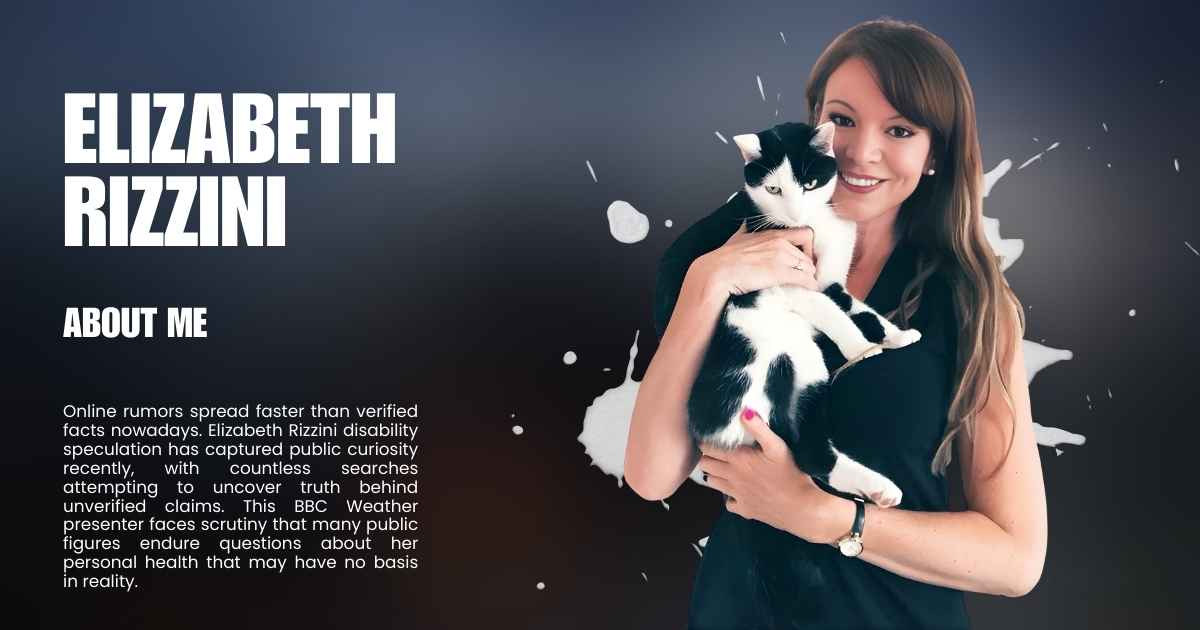
Online rumors spread faster than verified facts nowadays. Elizabeth Rizzini disability speculation has captured public curiosity recently, with countless searches attempting to uncover truth behind unverified claims. This BBC Weather presenter faces scrutiny that many public figures endure questions about her personal health that may have no basis in reality.
Public interest in celebrity conditions reflects broader cultural fascinations. However, audience attention shouldn’t override basic privacy rights. This article examines the origins of disability rumors surrounding Rizzini, explores media responsibility, and discusses why inclusivity in media matters more than baseless speculation ever could.
Who is Elizabeth Rizzini? A Brief Biography
Elizabeth Rizzini stands as one of Britain’s most recognizable weather forecasters. Her broadcasting career began after rigorous academic preparation in environmental sciences and meteorology. The BBC forecaster didn’t stumble into television by accident she earned her position through dedication and expertise.
Born and raised in England, Rizzini developed early fascination with atmospheric patterns. Her educational background provided solid foundation for understanding complex weather systems. Before joining BBC, she honed skills through various meteorological positions, building credibility that would serve her well on camera.
Her presenter biography reveals someone committed to accuracy and clarity. Unlike many who enter broadcasting from journalism backgrounds, Rizzini arrived with scientific credentials. This distinction matters when delivering forecasts that people rely on for daily planning.
Elizabeth Rizzini’s Career at BBC Weather
Rizzini joined the BBC Weather team as a regional presenter focusing on London and Southeast England. Her career growth within the organization demonstrates both competence and viewer appeal. The weather anchor has covered everything from routine forecasts to significant weather events affecting millions.
Key Career Highlights:
- Regional weather presenter for BBC London
- Coverage of major storms and weather emergencies
- Regular appearances across BBC platforms
- Trusted voice during critical weather situations
Her professional path mirrors that of other successful broadcast journalists who combine scientific knowledge with communication skills. The media career she’s built depends on credibility something easily damaged by unfounded health speculation.
The Origins of Elizabeth Rizzini Disability Rumours
So where did Elizabeth Rizzini disability claims actually begin? Tracing these disability rumors proves challenging because they emerged from fragmented social media observations rather than concrete evidence. Some viewers noticed certain movements or gestures during broadcasts and jumped to conclusions.
Online rumors often start innocently enough. Someone posts a question on Reddit or Twitter. Others add their observations without verification. Soon, search algorithms register increased interest, prompting more viral speculation. The cycle perpetuates itself without requiring actual facts.
Common Sources of Speculation:
- Misinterpreted body language during broadcasts
- Assumptions based on limited visual information
- Forum discussions that amplify unverified claims
- Absence of information treated as confirmation
The Rizzini condition speculation exemplifies how internet gossip transforms casual observations into presumed truths. None of these public assumptions trace back to credible sources or official statements.
Separating Facts from Speculation
Here’s what we actually know: No verified information confirms any disability claims regarding Elizabeth Rizzini. Neither she nor BBC has issued statements addressing these rumors. This absence doesn’t confirm anything it simply reflects appropriate boundaries between public roles and private life.
Medical speculation based on television appearances remains deeply problematic. Viewers can’t diagnose conditions from brief broadcasts. Even trained medical professionals wouldn’t attempt such assessments without proper examination and patient consent.
| Fact vs. Fiction | Reality |
| Confirmed disability diagnosis | No public record exists |
| Official BBC statement | None issued regarding health |
| Personal disclosure | Rizzini hasn’t addressed rumors publicly |
| Medical documentation | Private and protected by law |
The responsible approach treats privacy concerns seriously. Celebrity health rumors shouldn’t override fundamental respect for personal boundaries, regardless of someone’s public profile.
How Media Handles Disability Topics
Legitimate journalism follows strict guidelines when covering disability reporting. Ethical organizations don’t publish unverified health gossip about individuals. The press sensitivity required for such topics demands verification and often requires the subject’s consent for publication.
BBC’s internal policies protect presenters from unwarranted intrusion. British broadcasting standards emphasize journalism responsibility that balances public interest against personal privacy. American outlets follow similar principles, though enforcement varies.
Ethical Reporting Standards:
- Verify information through credible sources
- Obtain subject’s permission when discussing health
- Avoid speculation presented as fact
- Consider potential harm from publication
The media coverage of disability should promote understanding, not fuel gossip. When outlets responsibly address these topics, they contribute to disability education rather than sensationalism.
Public Fascination with Celebrity Health
Why does public curiosity drive endless searches about presenters’ personal health? Psychological research reveals complex motivations behind our interest in famous individuals. We develop parasocial relationships with people we see regularly, creating false sense of intimacy.
Celebrity scrutiny intensifies when disability enters the conversation. Society’s complicated relationship with disability mixing curiosity, discomfort, and misunderstanding fuels this public fascination. The audience attention given to potential disability claims often exceeds interest in the person’s actual work.
This curiosity online reflects broader cultural attitudes needing examination. When viral discussion centers on someone’s possible health condition rather than their professional contributions, we’ve lost perspective on what truly matters.
Elizabeth Rizzini and Privacy in the Public Eye
Television careers don’t eliminate basic rights to personal privacy. Elizabeth Rizzini owes viewers accurate weather forecasts nothing more. Her personal boundaries deserve respect regardless of her public role as weather reporter.
Media intrusion into private health matters crosses ethical lines. Broadcasting positions don’t require medical disclosures. The assumption that fame justifies unlimited access to someone’s private life speculation fundamentally misunderstands the social contract between public figures and audiences.
Legal protections exist precisely because privacy concerns remain valid despite celebrity status. Whether through UK’s Data Protection Act or American privacy frameworks, individuals maintain rights over personal health information.
Representation of Disability in Broadcasting
Beyond individual speculation lies crucial conversation about disability representation in media. Television should reflect society’s diversity, including disabled individuals in prominent roles. Currently, inclusive broadcasting remains incomplete across networks.
Statistics on Disability Representation:
- Less than 2% of on-screen talent identifies as disabled
- Behind-the-scenes roles show even lower representation
- Most disability portrayals lack authenticity
- Barriers to entry persist despite awareness campaigns
The BBC forecaster community includes few openly disabled presenters. This gap matters because representation matters for changing societal attitudes. When disabled viewers see themselves reflected in professional roles, it expands possibilities for everyone.
Media diversity requires intentional effort beyond token gestures. Accessible media involves both on-screen representation and behind-the-scenes accommodation enabling disabled professionals to thrive.
Why Inclusivity in Media Matters
Inclusivity media initiatives change how society views disability. Authentic disability portrayals challenge stereotypes and expand understanding. Research consistently shows that equal representation influences workplace inclusion, educational opportunities, and social attitudes.
Diverse representation benefits everyone, not just disabled communities. When broadcasting embraces media equality, content improves through varied perspectives. The disability awareness fostered through thoughtful inclusion creates more empathetic, informed audiences.
Benefits of Media Inclusivity:
- Challenges harmful stereotypes effectively
- Provides role models for disabled youth
- Normalizes disability as part of human diversity
- Improves content quality through diverse voices
The conversation about Elizabeth Rizzini disability speculation could redirect toward genuine awareness campaigns promoting authentic representation rather than baseless gossip.
Social Media’s Role in Spreading Rumours
Social media speculation operates without traditional journalism’s guardrails. Platforms amplify trending talks regardless of accuracy. The Elizabeth Rizzini condition rumors demonstrate how social platforms prioritize engagement over truth.
Algorithms reward controversial content with visibility. A speculative post generates more interaction than factual weather forecasts. This dynamic creates environment where viral speculation flourishes while corrections struggle for attention.
How Rumors Spread Online:
- Initial speculative post gains traction
- Others add unverified observations
- Algorithms boost engagement-driving content
- Search volume increases, suggesting legitimacy
- More people assume consensus equals truth
Individual responsibility matters here. Before sharing health assumptions about anyone, consider whether information comes from credible sources. Disability education begins with refusing to participate in unfounded speculation.
Lessons from the Elizabeth Rizzini Disability Speculation
This situation teaches valuable lessons about public understanding and digital citizenship. First, personal privacy deserves protection regardless of someone’s visibility. Second, curiosity doesn’t justify spreading unverified claims about celebrity conditions.
The disability claims surrounding Rizzini emerged without evidence yet gained surprising traction. This pattern repeats constantly across social media, harming real people while serving no legitimate purpose. Support awareness for disability issues through constructive means not gossip.
Practical Takeaways:
- Verify information before sharing health-related content
- Respect personal boundaries despite public profiles
- Redirect curiosity toward meaningful inclusion awareness
- Recognize how speculation can harm individuals
The Broader Impact on Disability Awareness
Ultimately, conversations about Elizabeth Rizzini disability speculation connect to larger questions about how society views disability. The public interest these searches generate could fuel genuine awareness campaigns instead of baseless gossip.
Diverse representation in broadcasting matters immensely for disabled communities. Rather than speculating about individual presenters, audiences should advocate for authentic disability portrayals and inclusive hiring practices. The broadcast industry still has substantial work toward genuine media equality.
FAQs
Who is Elizabeth Rizzini?
Elizabeth Rizzini is a respected BBC Weather presenter for London.
Does Elizabeth Rizzini have a disability?
No verified evidence confirms any disability claims about Elizabeth Rizzini.
Why are there rumours about Elizabeth Rizzini Disability?
Social media speculation created unfounded rumors without credible factual basis.
How does media speculation affect public figures?
Speculation invades privacy, spreads misinformation, and causes personal distress.
What can we learn from the Elizabeth Rizzini disability discussion?
Respect privacy, verify facts, and support authentic disability representation always.
Conclusion
Elizabeth Rizzini disability rumors lack verified foundation. This weather reporter deserves privacy regarding personal health matters. The BBC Weather presenter built her professional path on meteorological expertise, not personal disclosure requirements.
Public curiosity about presenters’ lives shouldn’t override basic respect. Social media speculation creates harm without serving legitimate interest. Instead, channel attention toward supporting authentic inclusivity in media that benefits everyone.
Respect privacy. Verify facts. Support genuine representation. These simple principles create healthier media environment for both public figures like Rizzini and the audiences who watch them. Disability awareness grows through education and advocacy never through unfounded speculation about individuals’ private lives.
The life story that matters here isn’t whether someone has a disability. It’s how we treat people with dignity, protect personal boundaries, and build truly inclusive broadcasting that reflects human diversity authentically.