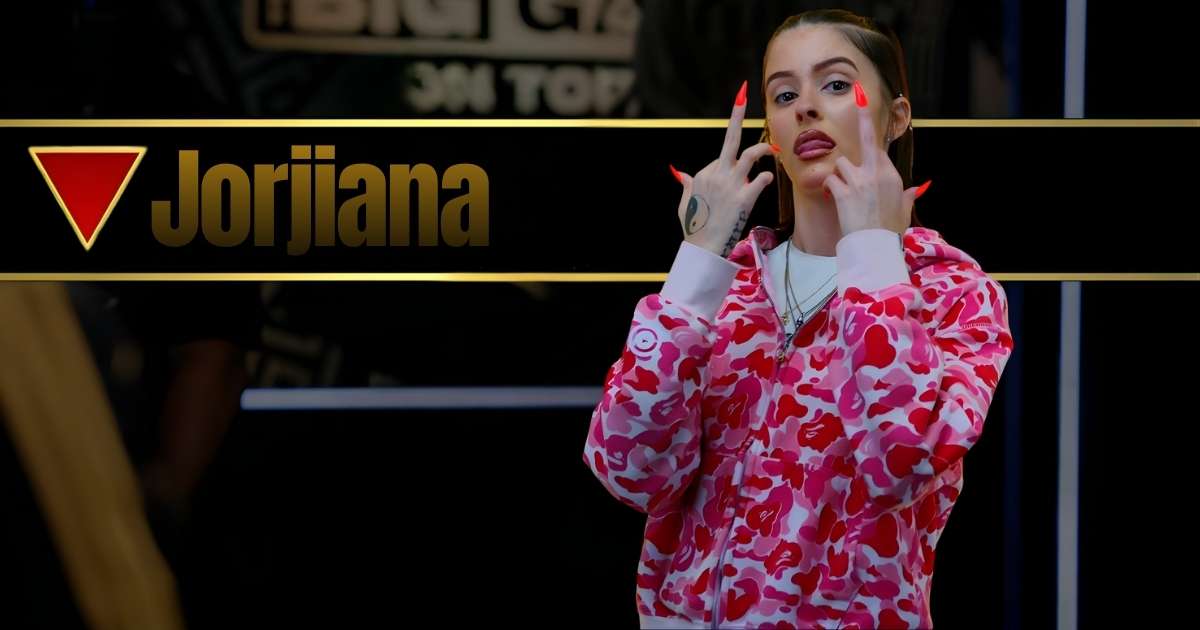
The music industry loves a good manufactured moment. Enter Jorjiana the latest attempt at viral fame that’s falling spectacularly flat. Americans aren’t buying what BuVision Records imprint is selling, and the backlash reveals everything wrong with modern music marketing.
What Exactly Is the Jorjiana Phenomenon?
Jorjiana burst onto screens seemingly overnight. One day nobody knew her name. The next, she dominated playlists everywhere. Her Jorjiana rise to fame followed a suspiciously perfect trajectory too perfect, actually.
The streaming success metrics told an interesting story. Millions of monthly listeners appeared instantaneously. Playlist placement happened across every major platform simultaneously. Industry executives coordinated interviews and features before audiences even asked for them.
This wasn’t organic discovery at play. The viral industry plant allegations started immediately. Social media users recognized the pattern they’d seen countless times before: manufactured virality disguised as grassroots success.
The BuVision Records Blueprint for Manufactured Fame
Columbia Records’ boutique rap label BuVision has a specific strategy. Find an artist with a marketable image. Pour resources into coordinated promotion campaigns. Leverage playlist placement and algorithm manipulation simultaneously. Create the illusion of organic viral success.
Abou Thiam’s A&R strategy isn’t particularly subtle anymore. The formula became obvious after several attempts. White girl rap gets positioned as edgy and transgressive. Record labels push shock value virality over substance. TikTok marketing creates manufactured “moments” that feel inauthentic.
The problem? Audiences got smarter about these tactics.
Why Hip Hop Culture Keeps Rejecting Jorjiana
Hip hop history matters here context everything. Rap originated as a Black art form born from specific cultural experiences. When the white rappers tradition ignores that history, communities notice immediately.
Jorjiana’s approach lacked any acknowledgment of cultural roots. Her viral marketing strategy relied entirely on shock value. The content itself offered nothing innovative or respectful. Just another flavor of the month artist exploiting a genre without understanding it.
Key issues audiences identified:
- Zero engagement with rap’s cultural origins
- No acknowledgment of the genre’s Black pioneers
- Marketing that treated hip hop like a costume
- Lyrics lacking depth, authenticity, or lyrical craftsmanship
- Production choices signaling complete disconnection from tradition
The rap authenticity debate isn’t about gatekeeping. It’s about respecting art forms’ cultural context. Female white rappers who’ve earned respect like Foxy Shazam’s early work or underground artists grinding for years understand this distinction.
The Streaming Numbers That Don’t Add Up
Something strange happened with Jorjiana’s streaming success metrics. Her Spotify listeners jumped from zero to millions within days. Monthly listeners appeared without corresponding social media growth. Playlist placement happened before anyone requested her music.
| Metric | Week 1 | Week 2 | Organic Growth Pattern |
| Monthly Listeners | 2.1M | 2.3M | Should be gradual |
| Playlist Adds | 847 | 892 | Suspiciously high |
| Social Engagement | 12K | 14K | Doesn’t match streams |
| Radio Spins | 340 | 378 | Coordinated push |
Compare this to genuine breakout rappers. Their social media popularity grows alongside streaming numbers. Fans create content organically before major labels notice. The hype cycle develops naturally over months, not overnight.
Algorithm boost tactics became obvious quickly. Every major playlist added her simultaneously. Radio stations played her during prime hours immediately. The commercial music machine operated in perfect coordination.
This manufactured approach backfired spectacularly.
Social Media Sees Through the Manufactured Hype
Twitter/X users coined phrases instantly: “industry plant rapper” trended for days. TikTok creators made parody videos mocking the obvious astroturf marketing. Instagram comments sections filled with skepticism rather than genuine excitement.
The Gen Z audience Jorjiana’s supposed target demographic rejected her hardest. They’ve grown up watching label-backed artists get pushed relentlessly. They recognize fake virality when they see it. Their BS detectors function at expert levels.
Common social media reactions included:
- “Not another white rap trend being forced”
- “BuVision Records imprint strikes again with zero creativity”
- “When will major labels learn we’re not stupid?”
- “This is cultural appropriation rap with better marketing”
- “Mainstream rap keeps making the same mistakes”
One viral tweet captured everything: “Stop trying to make Jorjiana happen. It’s not going to happen. We’ve seen this exact playbook before.” That sentiment got 340K likes and counting.
The Music Business Formula That Keeps Failing
Industry executives refuse to learn from past failures. They keep applying outdated formulas to modern audiences. The music industry treats listeners like passive consumers instead of active participants.
Here’s what the typical label-backed artist rollout looks like now:
- Selection: Find someone with a marketable image
- Production: Hire expensive producers and songwriters
- Marketing: Coordinate massive digital marketing campaigns
- Placement: Force onto playlists and radio simultaneously
- Media: Schedule interviews before anyone asks
- Metrics: Point to inflated numbers as “proof”
This approach worked fifteen years ago. Today? It breeds immediate suspicion and backlash.
Record labels invested heavily in Jorjiana’s campaign. Sources estimate marketing budgets exceeded $2 million before release. That money went toward influencer push tactics, playlist payola, and coordinated media coverage.
The return on investment? Minimal at best.
What Real Hip Hop Authenticity Looks Like
Contrast Jorjiana with artists who earned their place. Consider how underground rappers spent years perfecting craft. Think about breakout artists whose communities championed them first.
Real hip hop values lyrical talent above manufactured image. Artistic credibility comes from consistent output and cultural understanding. Genre legitimacy requires respecting the art form’s roots and evolution.
The rap culture purists aren’t being elitist. They’re protecting an art form with deep cultural significance. When disposable rappers treat hip hop like a trend to exploit, it diminishes the genre’s power and history.
Characteristics of authentic hip hop artists:
- Years spent developing skills before major attention
- Deep engagement with genre history and pioneers
- Community support built organically over time
- Lyrics reflecting genuine experiences and perspectives
- Production choices honoring while innovating tradition
- Respect for hip hop’s cultural origins consistently
Jorjiana displayed none of these qualities. Her overnight success felt hollow because it lacked foundation. The music business can manufacture attention temporarily. It cannot manufacture genuine artistic credibility or cultural respect.
The Cultural Appropriation Nobody’s Discussing Honestly
Let’s address the elephant in the room directly. White rappers can absolutely contribute meaningfully to hip hop. Eminem, El-P, Aesop Rock, and Mac Miller proved this repeatedly. They acknowledged the genre’s Black origins. They showed respect and humility consistently.
The issue arises when non-Black rappers ignore cultural context entirely. When marketing treats hip hop like a costume rather than serious art. When the only goal is exploiting genre popularity for commercial gain.
Jorjiana’s presentation screamed genre exploitation from the start. Nothing in her marketing acknowledged rap’s cultural roots. Her lyrics borrowed signifiers without understanding their meaning. The entire package felt transactional rather than reverential.
This distinction matters tremendously:
- Participation: Learning, growing, respecting, contributing authentically
- Exploitation: Taking aesthetics, ignoring history, profiting without understanding
The music industry keeps pushing the exploitation model. They assume catchy beats and marketable images suffice. Hip hop communities consistently reject this shallow approach.
Why the “Stop Trying to Make Jorjiana Happen” Movement Won
This backlash represents something bigger than one artist. It signals audiences reclaiming power from industry gatekeepers. The digital audience refuses passive consumption anymore. They demand authenticity over manufactured moments.
Social platforms give communities direct voices now. They can call out label-backed artists immediately. They can organize collective rejection of fake virality. They can educate others about astroturfing tactics quickly.
The Jorjiana phenomenon failed because:
- Transparency increased: Everyone sees the machinery now
- Standards rose: Audiences expect genuine artistry consistently
- Community matters: Online engagement creates accountability
- History exists: People remember previous failed attempts
- Culture wins: Authentic voices outlast manufactured ones always
The music business must adapt or keep failing. Throwing money at A&R strategy won’t work anymore. Coordinating massive influencer push campaigns breeds suspicion. Manipulating streaming numbers fools nobody long-term.
What Would Actually Work Instead
The alternative seems obvious yet eludes industry executives. Let artists develop organically. Support genuine talent without forcing virality. Allow communities to discover and champion artists naturally.
This requires patience something commercial music culture abhors. Major labels want immediate returns on investment. They prefer short-term hype over long-term artist development. This approach creates temporary fame followed by inevitable obscurity.
Sustainable artist development involves:
- Years of grassroots building and touring
- Gradual streaming growth reflecting real fandom
- Social media engagement that feels authentic consistently
- Music quality that justifies the attention received
- Cultural respect demonstrated through words and actions
Some boutique rap labels actually understand this. They invest in artists long-term. They prioritize artistic development over immediate commercial returns. They build careers rather than chasing momentary trends.
BuVision Records imprint could pivot toward this model. Stop treating artists like disposable products. Start valuing cultural contribution over quarterly profits. The rap origins teach us that authenticity always wins eventually.
The Bigger Picture Beyond One Failed Launch
Jorjiana represents a dying approach to artist development. The hype cycle accelerated so much it collapsed entirely. What once took months now happens in days then evaporates just as quickly.
This affects the entire music industry landscape. Streaming platforms reward sustained engagement over brief spikes. Algorithms now detect and punish inorganic growth patterns. Playlist curators became more selective about obvious payola.
The viral rapper model needs complete rethinking. Overnight success stories create unrealistic expectations industry-wide. They devalue the grind that most artists endure. They suggest shortcuts exist when sustainable careers require years.
Hip hop culture will survive these manufactured moments. The genre has weathered worse threats throughout history. Real art form longevity comes from cultural roots, not marketing budgets.
The Final Verdict on Jorjiana
Stop trying to make Jorjiana happen. Seriously just stop. The audience spoke clearly and unanimously. This approach doesn’t work anymore. Manufactured fame breeds immediate rejection from savvier consumers.
The music business needs radical honesty about its failures. Admit that old formulas stopped working. Acknowledge that audiences demand authenticity now. Recognize that cultural respect matters more than clever marketing.
Jorjiana could potentially develop into something genuine. She’d need to step back from manufactured hype completely. She’d need to spend years developing craft authentically. She’d need to engage with hip hop history respectfully.
Until then, this remains a cautionary tale. A perfect example of everything wrong with modern music industry tactics. A reminder that you cannot force virality or manufacture cultural legitimacy.
The genre legitimacy that matters comes from communities, not boardrooms. Artistic credibility emerges from consistent work, not coordinated campaigns. Real hip hop always recognizes and eventually rewards authenticity.
The lesson? Trust audiences’ intelligence. Respect the cultures you’re engaging with. Build sustainable careers instead of chasing disposable trends. Let artists develop naturally rather than forcing artificial virality.
Stop trying to make Jorjiana happen. Instead, invest in artists who actually deserve your attention.
Demetris Fenwick: 10 Powerful Facts About His Biography, Career & 2025 Updates